- What Is CNC Plasma Cutting?
- Advantages of CNC Plasma Cutting
- What Is Oxy-Fuel Cutting?
- Advantages of Oxy-Fuel Cutting
- Oxy-Fuel Cutting vs CNC Plasma Cutting: Key Differences
- Industry Applications and Use Cases
- Choosing the Right Cutting Method
- FAQs
Selecting a metal cutting process is rarely about preference. It’s about performance, material thickness, cost control, and how well the technology fits into your production workflow. Choosing the wrong system can lead to slower cycle times, excessive rework, higher operating costs, or limitations that surface as production demands increase.
Two of the most common thermal cutting methods used in industrial fabrication are oxy-fuel cutting and CNC plasma cutting. While both rely on heat to cut metal, they serve very different purposes. This article provides a clear comparison of oxy-fuel cutting vs CNC plasma cutting, breaking down cost considerations, thickness capabilities, precision, speed, and industry use cases to help you determine which process best fits your application.
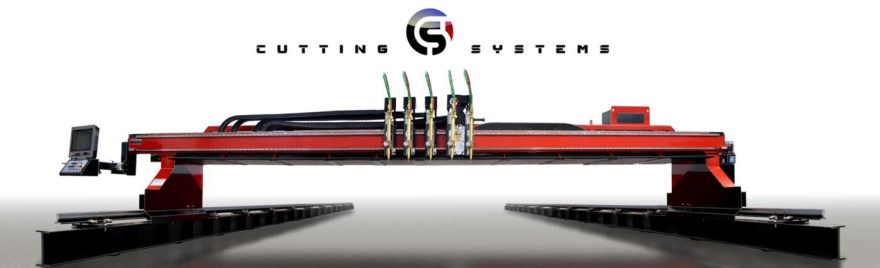
Explore our combined plasma and oxy-fuel systems.
What Is CNC Plasma Cutting?
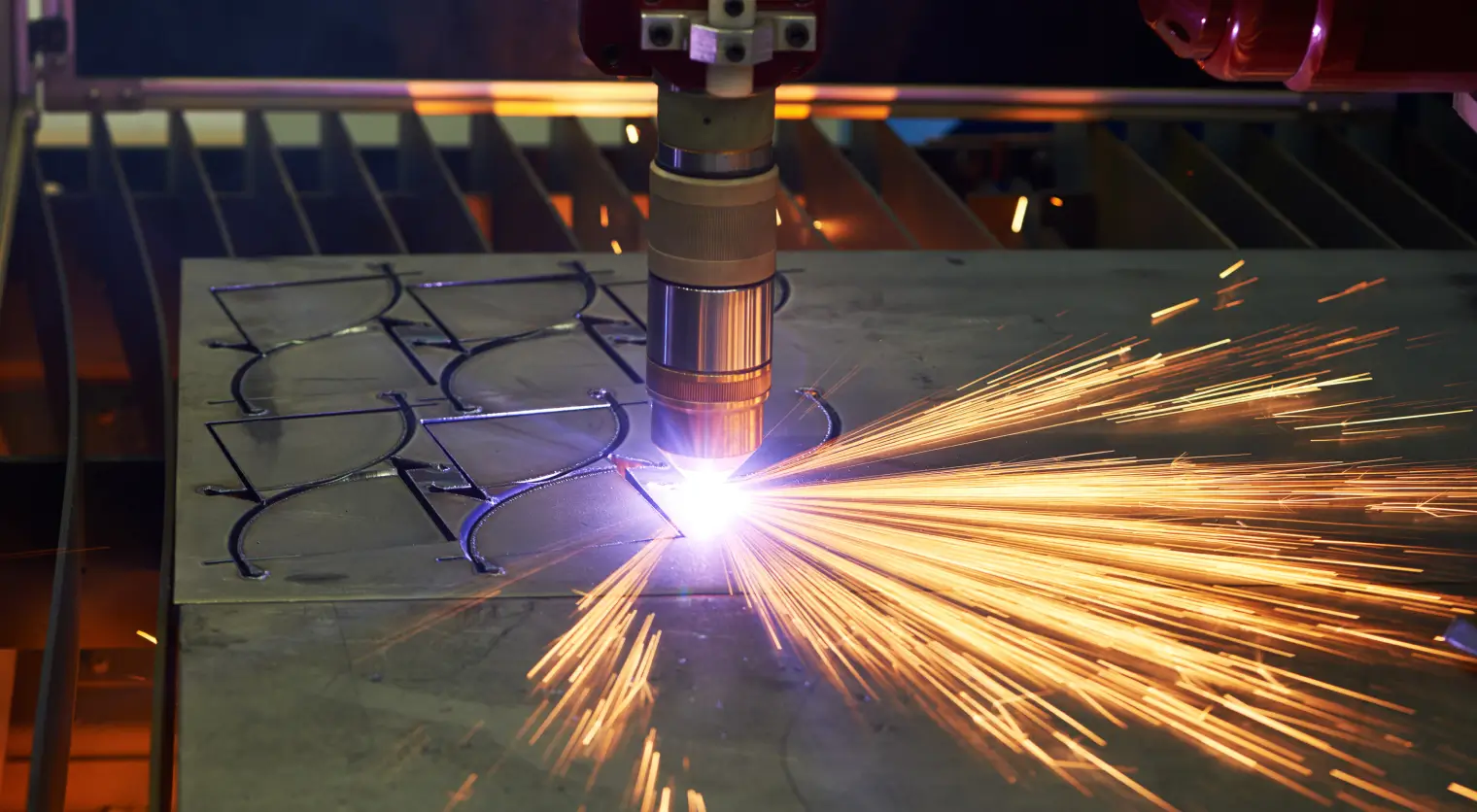
CNC plasma cutting is a process that uses electrically ionized gas to cut conductive metals with speed and precision. A plasma arc is formed by forcing gas through a constricted nozzle while applying an electrical current. When the arc contacts the metal, it melts the material and removes it from the cut path.
When paired with CNC automation, plasma cutting becomes a highly repeatable, production-ready solution. The CNC system controls torch movement, speed, and height based on digital designs, making it ideal for applications that require consistent accuracy and efficient throughput.
Advantages of CNC Plasma Cutting
CNC plasma cutting is widely adopted because it balances speed, precision, and operating efficiency.
High Cutting Speed on Thin to Medium Plate
Plasma cutting is significantly faster than oxy-fuel when working with thinner materials, reducing cycle times and increasing overall throughput.
Strong Precision and Edge Quality
Modern plasma systems deliver tight tolerances and clean edges, minimizing the need for secondary finishing operations.
Broad Material Compatibility
Plasma cutting works on a wide range of electrically conductive metals, including carbon steel, stainless steel, and aluminum.
Easy Integration into Automated Systems
CNC plasma cutting machines integrate seamlessly into automated production environments and CAD/CAM workflows.
What Is Oxy-Fuel Cutting?
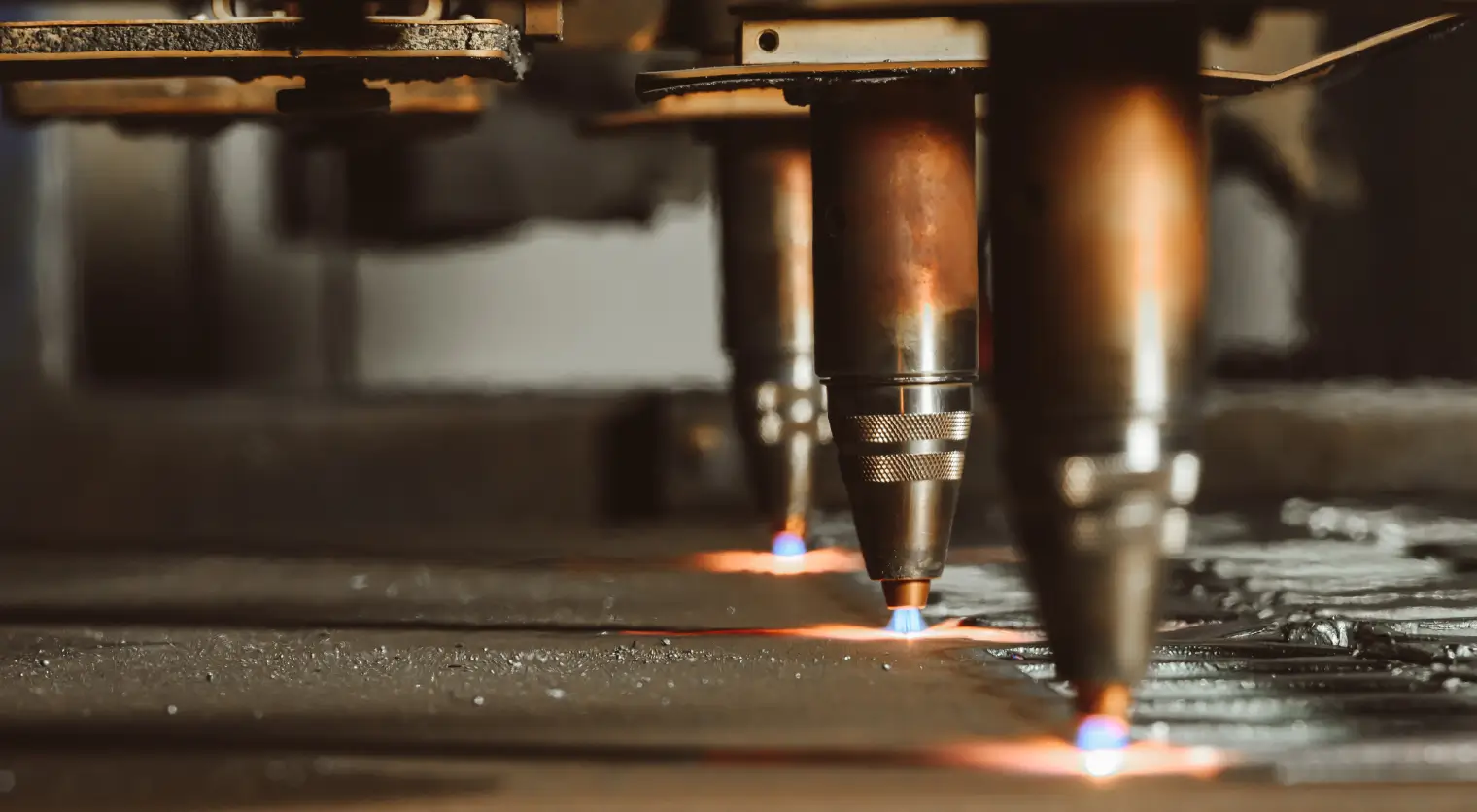
Oxy-fuel cutting is a thermal cutting process that uses a combination of oxygen and a fuel gas, typically acetylene, propane, or natural gas. The metal is first heated to its ignition temperature, then a stream of oxygen reacts with the steel, causing rapid oxidation that removes material from the cut.
Unlike plasma cutting, oxy-fuel cutting relies on a chemical reaction rather than an electrical arc. This makes it particularly effective for cutting very thick carbon steel.
Advantages of Oxy-Fuel Cutting
Oxy-fuel cutting remains relevant because it excels in specific heavy-duty applications.
Exceptional Performance on Thick Steel
Oxy-fuel cutting is highly effective on carbon steel plate several inches thick, where plasma cutting becomes less efficient.
Lower Initial Equipment Cost
Compared to CNC plasma systems, oxy-fuel setups generally have a lower upfront investment.
Simple Technology with Proven Reliability
Oxy-fuel systems are mechanically simple and have been used in industrial environments for decades.
Minimal Electrical Requirements
Because the process relies on gas rather than high electrical current, power demands are lower.
Oxy-Fuel Cutting vs CNC Plasma Cutting: Key Differences
While both methods are used in industrial fabrication, they serve different roles. Understanding how they compare across core performance factors makes selection easier.
Cutting Speed and Productivity
Cutting speed directly impacts throughput and production efficiency.
CNC Plasma Cutting Speed
Plasma cutting is substantially faster on thin and medium plate. This makes it ideal for high-volume production and fast turnaround work.
Oxy-Fuel Cutting Speed
Oxy-fuel cutting is slower overall, especially on thinner materials, but remains effective on very thick steel where speed is less critical.
Thickness Range and Material Capability
Material thickness is often the deciding factor between these processes.
Plasma Cutting Thickness Range
Plasma excels on thin to medium thickness materials and can handle thicker plate depending on system capacity, though efficiency drops as thickness increases.
Oxy-Fuel Cutting Thickness Range
Oxy-fuel cutting performs best on thick carbon steel, often exceeding thicknesses that are practical for plasma cutting.
Precision and Cut Quality
Precision requirements vary by application and industry.
CNC Plasma Precision
Plasma cutting offers better accuracy, tighter tolerances, and cleaner edges, particularly on thinner materials.
Oxy-Fuel Precision
Oxy-fuel cutting produces wider kerfs and larger heat-affected zones, making it less suitable for applications requiring fine detail.
Operating Costs and Efficiency
Cost considerations extend beyond equipment price.
Plasma Cutting Costs
Plasma systems require higher initial investment and consumable management, but faster speeds and reduced rework often offset operating costs.
Oxy-Fuel Cutting Costs
Oxy-fuel systems have lower upfront costs, but slower cutting speeds and gas consumption can increase long-term operating expenses.
Industry Applications and Use Cases
Different industries gravitate toward different cutting technologies based on production needs.
Common CNC Plasma Cutting Applications
CNC plasma cutting is often chosen where speed, flexibility, and precision are priorities.
- Structural steel fabrication
- Automotive and transportation manufacturing
- General metal fabrication shops
- Custom and architectural metalwork
Common Oxy-Fuel Cutting Applications
Oxy-fuel cutting is preferred for heavy-duty steel processing.
- Shipbuilding and marine fabrication
- Heavy equipment manufacturing
- Steel service centers
- Thick plate processing operations
Choosing the Right Cutting Method for Your Operation
There is no universal answer when deciding between oxy-fuel cutting vs CNC plasma cutting. The right solution depends on your material mix, thickness requirements, production volume, and long-term growth plans.
Many manufacturers benefit from dual-process systems that combine plasma and oxy-fuel capabilities on a single table. This approach provides flexibility while maximizing equipment utilization.
For specialized applications, Cutting Systems Inc. also offers custom-engineered solutions.
FAQs
How does the cutting speed of plasma compare to oxy-fuel?
Plasma cutting is significantly faster on thin and medium materials, while oxy-fuel cutting is slower but effective on very thick steel.
Can both methods be used for automated cutting systems?
Yes. Both plasma and oxy-fuel cutting can be integrated into CNC-controlled systems for automated production.
What environmental factors should be considered when choosing a cutting method?
Ventilation, power availability, gas supply, and shop conditions all influence cutting performance and safety.