- What Is Plasma Cutting?
- What Is CNC Plasma Cutting?
- Advantages of CNC Plasma Cutting
- Key Components of CNC Plasma Cutting Machines
- Plasma Torch Types and Configurations
- Software Functions in CNC Plasma Cutting
- What Is Plasma Cutting Used For?
- Best Practices for CNC Plasma Cutting
- CNC Plasma Cutting vs Other Methods
- FAQs
Metal fabricators are under constant pressure to cut faster, maintain tight tolerances, and reduce material waste. Manual torches, mechanical saws, and even some automated methods struggle to keep up when production volume increases or part complexity grows. Inconsistent edges, excessive rework, and slow throughput quickly become costly problems.
Plasma cutting addresses those challenges by using ionized gas and electrical energy to cut conductive metals with speed and accuracy. When combined with CNC automation, plasma cutting becomes a scalable, repeatable solution for industrial fabrication. This guide breaks down what plasma cutting is, how CNC plasma cutting machines work, the components and software involved, and where the technology delivers the most value in real-world applications.
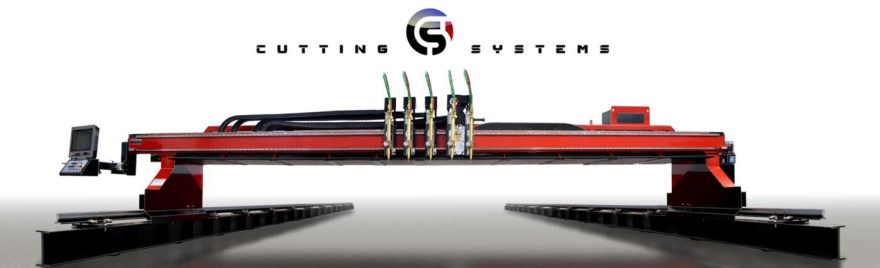
Explore industrial-grade CNC plasma solutions from Cutting Systems Inc.
What Is Plasma Cutting?
Plasma cutting is a thermal cutting process designed for electrically conductive materials. It uses a high-velocity stream of ionized gas, known as plasma, to melt metal and expel molten material from the cut path. The result is a fast, controlled cut with minimal mechanical force applied to the workpiece.
At its core, plasma cutting relies on an electrical arc passing through a compressed gas. This interaction raises the gas temperature to extreme levels, transforming it into plasma capable of slicing through metal efficiently. Because the heat is concentrated and localized, plasma cutting minimizes distortion while maintaining strong cut quality.
How Plasma Cutting Works
Understanding the basic mechanics of plasma cutting helps clarify why it is so effective across industrial environments.
Ionized Gas Creation
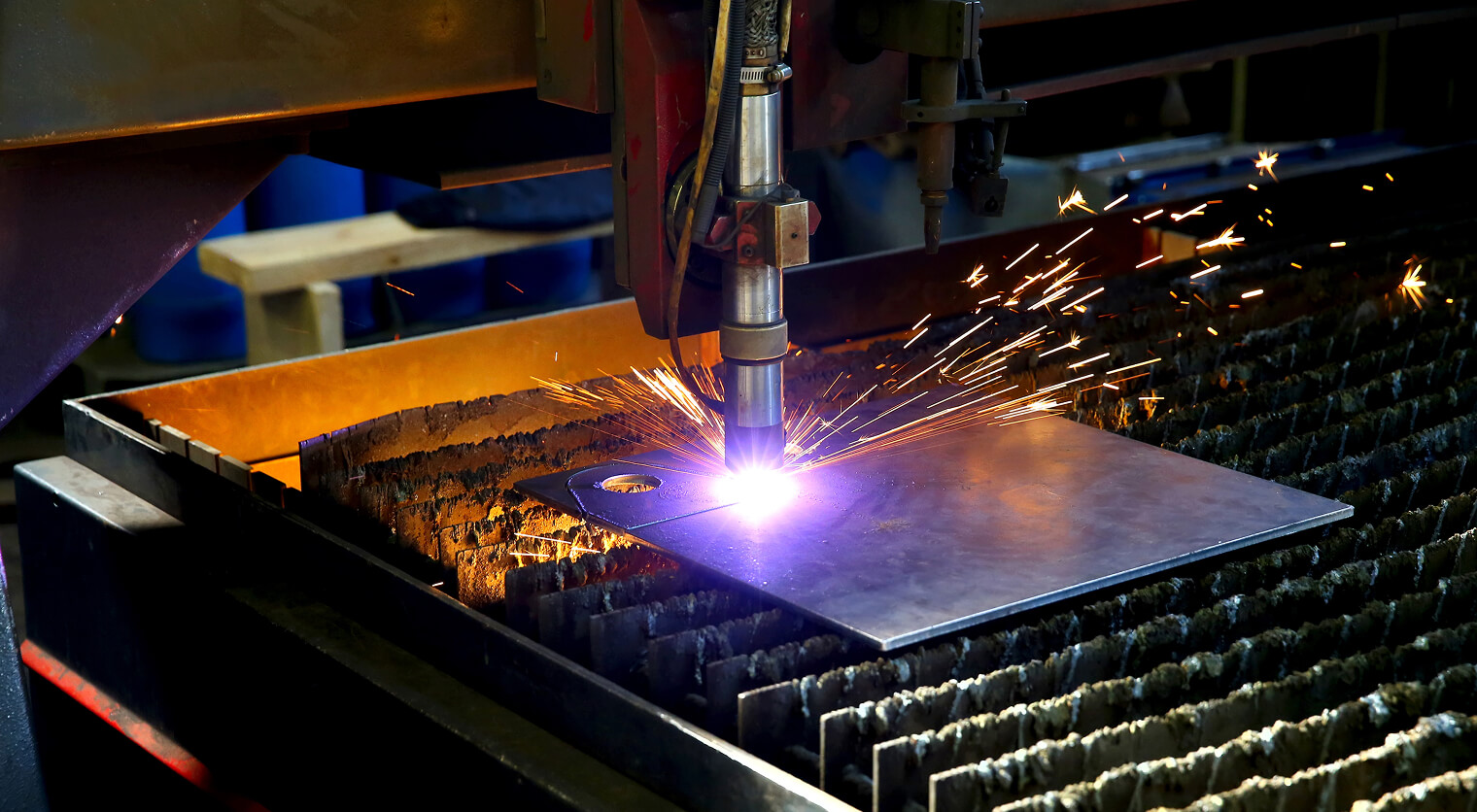
Compressed gas is forced through a small nozzle while an electrical arc energizes it. This process ionizes the gas, turning it into plasma capable of conducting electricity and carrying extreme heat.
Arc Transfer to the Workpiece
Once the plasma arc contacts the electrically conductive material, the circuit is completed. Heat rapidly melts the metal at the cut point while the gas stream blows molten material away.
Controlled Motion for Clean Cuts
The torch moves steadily along the programmed path, maintaining consistent arc length and speed to ensure uniform cut quality and predictable results.
What Is CNC Plasma Cutting?
CNC plasma cutting takes the plasma process and integrates it with computer-controlled motion. CNC, or Computer Numerical Control, allows the plasma torch to follow precise, preprogrammed toolpaths generated from digital designs.
This automation removes the variability of manual cutting and enables repeatable, production-grade accuracy. CNC plasma cutting machines are commonly used in fabrication shops, heavy industry, and manufacturing environments where precision and throughput matter.
Advantages of CNC Plasma Cutting
CNC plasma cutting offers measurable benefits over manual and semi-automated cutting methods.
Consistent Accuracy Across Runs
CNC control ensures that each part is cut exactly the same way every time, reducing dimensional variation and minimizing scrap.
Higher Production Efficiency
Once programmed, the machine can operate continuously with minimal operator intervention, allowing shops to scale output without sacrificing quality.
Material and Thickness Flexibility
CNC plasma cutting machines handle a wide range of conductive metals and thicknesses, making them suitable for diverse fabrication needs.
Reduced Secondary Processing
Clean, predictable cuts often reduce the need for grinding or rework, improving overall workflow efficiency.
Key Components of CNC Plasma Cutting Machines
CNC plasma cutting machines rely on multiple systems working together. Each component plays a critical role in cut quality, reliability, and machine lifespan.
Before reviewing individual parts, it’s important to understand that plasma cutting performance depends on system balance. Torch capability, motion control, power delivery, and software must all align.
Plasma Torch. The torch houses the consumables and directs the plasma arc. Torch design affects cut quality, arc stability, and consumable life.
Power Supply. The power supply generates and regulates the electrical current required to sustain the plasma arc. Higher-capacity supplies allow for thicker material cutting and improved edge quality.
CNC Controller. This is the brain of the system. The controller interprets CNC code and coordinates torch movement, speed, and height control.
Cutting Table and Gantry System. The table supports the material while the gantry provides smooth, precise motion across the cutting area. Industrial systems prioritize rigidity and accuracy to handle large plates.
Consumables. Nozzles, electrodes, and shields wear over time. Proper consumable selection and replacement schedules directly impact cut consistency and operating costs.
Plasma Torch Types and Configurations
Not all plasma torches are built the same. Torch selection depends on material thickness, production volume, and desired cut quality.
Different torch designs allow fabricators to optimize performance for specific applications.
Conventional Plasma Torches. Designed for general-purpose cutting, these torches provide reliable performance for mild steel and non-ferrous metals in standard fabrication environments.
High-Definition Plasma Torches. These torches offer tighter arc control, improved edge quality, and better angularity. They are commonly used where precision matters more than raw speed.
Mechanized Plasma Torches. Built specifically for CNC systems, mechanized torches integrate seamlessly with automated height control and motion systems.
CNC Plasma Cutting Software. Software is what transforms plasma cutting into a precision manufacturing process. CNC plasma cutting software bridges design intent and machine execution.
Modern systems rely on CAD, CAM, and nesting software to maximize efficiency and material utilization.
Software Functions in CNC Plasma Cutting
Before the torch ever fires, software defines how efficiently the job will run.
CAD Design Software. Used to create or import part geometry, ensuring dimensional accuracy before cutting begins.
CAM Software. Converts CAD files into machine-readable instructions, defining torch paths, speeds, pierce points, and lead-ins.
Nesting Software. Optimizes part placement on the sheet to reduce waste, lower material costs, and improve throughput.
Industrial CNC plasma systems often integrate advanced nesting platforms to support high-volume production and complex part layouts.
What Is Plasma Cutting Used For?
Plasma cutting is widely adopted across industries that require fast, repeatable metal cutting. Its versatility makes it suitable for both heavy industrial production and custom fabrication.
Common Plasma Cutting Applications
Each industry benefits from plasma cutting in different ways, but speed and flexibility remain constant advantages.
Structural Steel Fabrication
Plasma cutting produces beams, plates, and profiles used in construction and infrastructure projects.
Heavy Equipment Manufacturing
Thick steel components for mining, agriculture, and industrial machinery are efficiently processed with CNC plasma systems.
Automotive and Transportation
Plasma cutting supports chassis components, brackets, and structural elements requiring repeatable precision.
Shipbuilding and Marine Fabrication
Large-format plasma tables handle heavy plate used in hulls, decks, and structural assemblies.
Architectural and Custom Metalwork
CNC plasma cutting allows for intricate designs and custom profiles without sacrificing speed.
Maintenance and Best Practices for CNC Plasma Cutting
Proper maintenance is essential to maintaining cut quality and avoiding costly downtime. Plasma cutting systems perform best when operators follow consistent preventive care routines. A proactive approach to maintenance protects both equipment and output quality.
Regular Consumable Inspection
Worn consumables degrade cut edges and increase operating costs. Replacing them on schedule ensures consistent performance.
Clean Cutting Environment
Slag buildup and debris can interfere with torch movement and height control. Routine cleaning keeps the system operating smoothly.
Correct Parameter Settings
Gas flow, amperage, and cutting speed must match material type and thickness to avoid premature wear or poor cuts.
Scheduled Preventive Service
Manufacturer-recommended service programs help extend equipment life and prevent unplanned downtime.
For complex production needs, Cutting Systems Inc. also offers custom engineered solutions.
CNC Plasma Cutting vs Other Cutting Methods
Plasma cutting is often compared to laser and oxy-fuel cutting. Each method has strengths, but plasma offers a unique balance of speed, cost, and flexibility.
Plasma vs Laser Cutting
Plasma cutting is more cost-effective for thicker materials and larger parts, while laser cutting excels in ultra-thin materials and fine detail.
Plasma vs Oxy-Fuel Cutting
Plasma delivers faster cuts and cleaner edges on most materials, while oxy-fuel remains effective for extremely thick carbon steel.
FAQs
How does plasma cutting compare to other cutting methods like laser or waterjet?
Plasma cutting offers faster speeds and lower equipment costs than laser cutting for thicker materials, while waterjet cutting excels at non-conductive materials and cold cutting applications.
What advancements are shaping the future of plasma cutting technology?
Improvements in automation, software integration, consumable life, and torch design continue to increase precision, efficiency, and uptime.
How does the environment impact plasma cutting performance?
Temperature, humidity, ventilation, and power stability can affect arc consistency and cut quality, making controlled shop environments ideal.