What Is a CNC Retrofit?
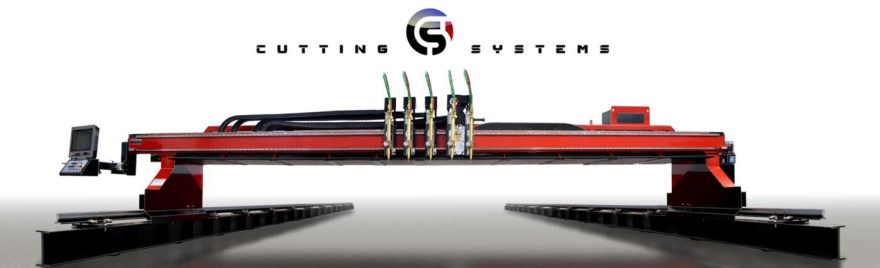
CNC retrofitting is the process of upgrading the control systems and key electronic components of an existing cutting machine while keeping the original mechanical structure intact. A typical CNC retrofit kit for a plasma or oxy-fuel cutting table includes new CNC controls, AC servo drives, motors, gearboxes, torch height controls, operator consoles, and all associated wiring and cabling.
The goal is straightforward: bring the machine’s electronic and motion control systems up to current standards so the equipment performs like a modern system. Updated CNC controls offer faster processing speeds, more intuitive operator interfaces, enhanced diagnostics, and compatibility with current CAD/CAM nesting software. Modern AC servo drives deliver smoother, more precise motion, directly improving cut quality and reducing consumable wear.
A retrofit makes the most sense when the machine’s frame, rails, and structural components are mechanically sound, but the controls and electronics are outdated, unsupported, or failing. If your machine still has a Koike D11, D80, Picopath, an older Burny, or a legacy MG Navigator, it’s a strong candidate for an upgrade.
Cutting Systems offers CNC retrofit and remanufacturing services specifically designed for plasma and oxy-fuel cutting machines, including complete retrofit kits that restore accuracy, speed, and automation capability to aging equipment.
What Is CNC Remanufacturing?
CNC remanufacturing goes beyond retrofitting. Where a retrofit focuses primarily on the electronic and control systems, a remanufactured machine receives a complete overhaul that addresses both the mechanical and electronic sides of the equipment.
During a remanufacture, key mechanical components like bearings, ways, gearboxes, gas hoses, and cables are replaced or rebuilt alongside the full control system upgrade. Plasma and oxy-fuel systems are replaced with current units, AC servo motors are paired with planetary low-backlash gearboxes for smooth motion, and the entire machine is tested to factory specifications. In many cases, the finished product even receives a fresh coat of paint.
The result is a machine that performs at or near new-machine standards, backed by a new machine warranty, at a cost well below what a replacement would run. CNC remanufacturing is the right path when both the controls and mechanical components have reached the point where piecemeal repairs no longer make sense, but the underlying frame and structure are still worth investing in.
Retrofit vs. Remanufacture: How to Decide
Choosing between CNC machine retrofitting and a full remanufacture comes down to the condition of the machine and your production goals.
A retrofit is typically the faster and less expensive option. It targets the electronics and controls while leaving the mechanical systems in place. If your machine’s rails, gantry, and structural frame are still within tolerance and the primary issues are outdated controls, unreliable drives, or inability to run modern nesting software, a retrofit addresses those problems directly. Most CNC cutting machine retrofits can be completed with significantly less downtime than waiting for a new machine to be built and delivered.
A remanufacture is the better investment when the machine shows both electronic obsolescence and mechanical wear. If you’re seeing inconsistent motion, backlash in the drive system, worn bearings, or degraded rail surfaces alongside outdated controls, addressing only the electronics will leave performance issues on the table. A full remanufacture restores the entire system to like-new condition.
In both cases, you avoid the ancillary costs that come with a new machine purchase: new foundations, facility modifications, rigging, transportation, and the extended lead time for build and delivery. Standard new machines can take 8 to 10 weeks to build and deliver, and custom builds can run longer. A retrofit or reman can often return your machine to production faster.
What Typically Gets Replaced
Whether you’re pursuing CNC retrofitting or a full remanufacture, here are the components that are most commonly upgraded or replaced on a CNC plasma or oxy-fuel cutting machine:
- CNC Controls and Operator Interface: The control system is the brain of the machine. Replacing an outdated CNC with a modern controller gives operators access to faster program processing, graphical part previews, real-time diagnostics, and compatibility with current nesting and CAD/CAM software. Modern controls also make it easier to train new operators, which matters as experienced personnel retire or move on.
- AC Servo Drives and Motors: Older DC or stepper-based drive systems are replaced with AC servo drives and motors paired with precision gearboxes. The improvement in motion smoothness, acceleration, and positioning accuracy is immediately visible in cut quality, especially on curves, small holes, and tight corners.
- Torch Height Controls: Upgraded torch height control systems use capacitive sensing and real-time feedback to maintain consistent standoff distance during cutting. This is critical for maintaining cut quality on warped, thermally distorted, or uneven plate, and it extends consumable life by preventing tip-ups and collisions.
- Plasma and Oxy-Fuel Systems: Retrofitting cutting systems with current plasma power supplies and oxy-fuel torches takes advantage of the latest consumable technology, gas management, and process control. This alone can improve cut quality, reduce consumable costs, and expand the range of materials and thicknesses the machine can handle.
- Wiring, Cables, Hoses, and Bearings: A full rewire eliminates decades of patched connections, degraded insulation, and intermittent faults that cause nuisance shutdowns and inconsistent machine behavior.
Evaluating Whether Your Machine Is a Good Candidate
Not every CNC cutting machine is worth retrofitting. Here are the factors to consider:
- Frame and structural condition: This is the deciding factor. If the frame is straight, rigid, and free of significant damage, it’s worth upgrading. The frame is the most expensive part of any cutting machine to replace, and well-built machines with heavy steel construction can serve for decades.
- Availability of upgrade components: Ensure your retrofit partner stocks or can source the components required for your specific machine. Cutting Systems keeps a good inventory of CNC plasma parts in-house and can typically ship same-day for orders placed by 3 p.m. For non-stock items, ship dates are usually within 24 to 48 hours.
- Production requirements: Consider whether a retrofit meets your current and near-term production needs. If your throughput demands have grown well beyond the machine’s original design capacity, a new machine may be the better long-term investment. But if the goal is to restore performance, improve reliability, and extend the productive life of an asset that’s already paid for, retrofitting cutting systems delivers strong returns.
- Total cost of ownership: Compare the retrofit investment against the full cost of a new machine, including delivery, installation, foundation work, new tooling, operator training, and the production lost during the transition. In many cases, the retrofit pays for itself within the first year of improved uptime and cut quality.
The DIY Route: What to Know Before You Start
Some operations prefer to handle CNC upgrades internally, purchasing components and performing the integration with their own maintenance team. This can work for shops with experienced electrical and mechanical technicians, but there are a few things to keep in mind.
- Control compatibility matters. Not all CNC controls are designed for cutting applications. Controls built specifically for plasma and oxy-fuel cutting include embedded cut charts, kerf compensation, torch height control integration, and process-specific features like preheat timing, pierce sequencing, and gas management that general-purpose motion controllers lack.
- Wiring and integration are the hard part. The physical installation of components is relatively straightforward, but the wiring, configuration, parameter setup, and system integration require specific expertise. Poor wiring or misconfigured drives can cause erratic motion, inconsistent cuts, or damage to new components.
- Training and support after the upgrade are essential. Even experienced operators need time to learn a new control interface and take advantage of its capabilities. Make sure your upgrade plan includes training and access to ongoing technical support for troubleshooting and optimization.
Why Sustainability and Cost Efficiency Go Hand in Hand
CNC remanufacturing and retrofitting are increasingly recognized as sustainable manufacturing practices. Reusing the mechanical frame and structural components of an existing machine avoids the raw material consumption, energy expenditure, and carbon emissions associated with casting and fabricating a new machine from scratch. A peer-reviewed study published in ScienceDirect found that retrofitting enables sustainability, Industry 4.0 connectivity, and accuracy comparable to modern machine tools, while preserving finite raw material resources and reducing emissions created during the casting of heavy machine tool components.
For manufacturers looking to align their operations with environmental goals without sacrificing productivity, extending the life of existing equipment through strategic CNC upgrades is one of the most practical steps available.
Working with Cutting Systems on Your Upgrade
Since 1970, Cutting Systems has built, serviced, and upgraded CNC plasma and oxy-fuel cutting machines for operations ranging from small fabrication shops to global Fortune 500 companies. Our remanufactured and retrofitted machines are restored with current-generation controls, drives, motors, and plasma or oxy-fuel systems, and every remanufactured machine ships with a new machine warranty.
We also maintain an inventory of pre-owned CNC cutting machines for businesses seeking value without sacrificing quality, and we offer custom-engineered solutions for operations with unique requirements.
Whether you need a complete remanufacture, a targeted retrofit kit, or help sourcing parts for an in-house upgrade, contact Cutting Systems to discuss your machine’s condition and your production goals. We’ll help you determine the most cost-effective path to getting your operation back to peak performance.
FAQs
Do you stock CNC plasma parts in-house, and how fast can you ship upgrade parts?
Yes. Cutting Systems keeps a strong inventory of CNC plasma cutting machine parts in-house. If parts are ordered by 3 p.m. and are in stock, we typically ship the same day via UPS. For non-stock items, we can usually provide a ship date within 24 to 48 hours.
What’s the difference between a Cutting Systems remanufactured machine and a retrofit kit?
A remanufactured machine receives a complete mechanical and electronic overhaul, including replacement of bearings, gearboxes, motors, drives, controls, plasma or oxy-fuel systems, wiring, and cables, restoring the machine to like-new condition with a new machine warranty. A retrofit kit focuses on upgrading the electronic and control systems (CNC, drives, motors, torch height controls, and operator console) while leaving the mechanical components in place. A retrofit is the right choice when the frame and mechanical systems are still sound. A remanufacture is the right choice when both the mechanical and electronic systems need attention.
Can Cutting Systems help me find discontinued replacement parts or an “inexpensive upgrade” path?
Yes. We work with customers to identify the most cost-effective path forward, whether that means sourcing replacement parts for older systems, specifying a targeted retrofit of specific components, or recommending a full upgrade when repairs are no longer practical. If your machine uses obsolete controls or components, we can often recommend a modern equivalent that improves performance while staying within budget. Contact us to discuss your specific situation.