- What Is Oxy-Fuel Cutting?
- Advantages of Oxy-Fuel Cutting
- Key Features of Oxy-Fuel Cutting Machines
- Choosing the Right Fuel Gas
- What Is Oxy-Fuel Cutting Used For?
- Oxy-Fuel Cutting vs Other Cutting Methods
- Frequently Asked Questions
Precision-cutting can be a challenge when it comes to thicker carbon steel metal fabrication. Oxy-fuel cutting machines are engineered for heavy-duty use, with cutting capabilities up to 250 mm, depending on the machine. CNC oxy-fuel cutting machines can cut complex shapes, large sizes, and heavy steel plates with accuracy and speed. This guide explores the fundamentals of oxy-fuel cutting, CNC oxy-fuel cutting machine components, fuel gas choice, and how oxy-fuel cutting can change the game for your operation.
Explore industrial-grade CNC fuel-gas cutting solutions from Cutting Systems Inc. today.
What Is Oxy-Fuel Cutting?
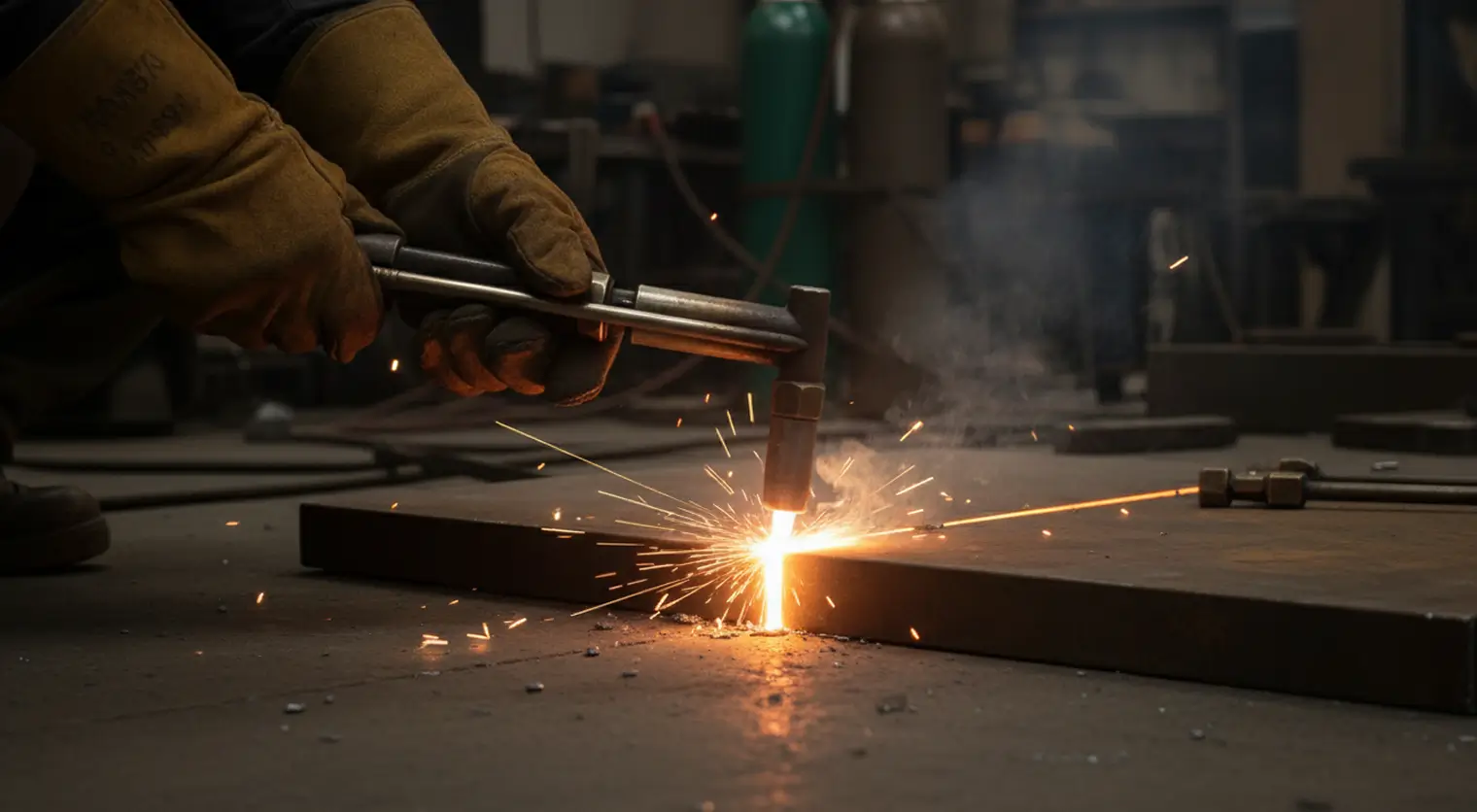
Oxy-fuel cutting, also known as oxy-fuel flame cutting or oxy-fuel gas cutting, is a thermal cutting process that uses oxygen and fuel gas to cut through materials, namely mild and low-alloy steel. Pure oxygen oxidizes the metal, which turns into liquid iron oxide. This oxygen jet removes the molten slag from the metal, resulting in a clean, accurate cut.
How Oxy-Fuel Cutting Works
Oxy-fuel cutting is regarded in the metal fabrication industry as one of the most important production processes. Extremely economical and efficient, oxy-fuel cutting speeds up your metalworking process and delivers controlled, even cuts even in thick metals. Let’s take a look at how oxy-fuel cutting actually works.
Preheating
Fuel gas is blended with oxygen inside an oxy-fuel cutting torch to create a highly flammable mixture, which is used to raise the surface or edge of the steel to approximately 1800 degrees Fahrenheit.
Piercing
Once the metal is preheated, a nozzle works to focus the flammable gas mixture through multiple, small jets of 99.5% oxygen. These cutting oxygen jets then pierce through the plate. This piercing process creates the initial penetration of the surface you’re cutting.
Rapid, Controlled Rusting
The steel begins to oxidize and is blown away to form a cavity. The heat and stream of oxygen move at a consistent speed to cut into the metal. This chemical reaction is sometimes called “rapid rusting” or “rapid, controlled rusting,” due to how rapidly the steel is oxidized.
Advantages of Oxy-Fuel Cutting
There are many reasons you may choose oxy-fuel cutting over other thermal cutting methods like plasma or laser cutting.
Ability to Cut Thick Metals
One of the biggest advantages of oxy-fuel cutting is that it can be used to cut much thicker metals with higher accuracy than plasma cutting systems. Typically, oxy-fuel cutting machines can cut carbon steel between 2 and 6 inches thick.
High Accuracy
Oxy-fuel cutting systems are extremely precise, which allows you to achieve quality, straight-edge cuts. Oxy-fuel cutting machines are also ideal for bevel strip cutting.
Torch Versatility
Oxy-fuel torches can cut, weld, braze, solder, heat, and gouge. You’ll have access to a wide range of capabilities all for the cost of a single piece of equipment. And because you can connect multiple torches to an oxy-fuel cutting machine at once, they’re extremely efficient.
Improved Metal Strength
Because oxy-fuel cutting systems use extremely high heat during the oxidation and cutting process, the result is a much stronger and durable metal at the cut edge.

Key Features of Oxy-Fuel Cutting Machines
The oxy-fuel cutting process relies on a chemical reaction to cut through thick metal with precision and efficiency. The components of an oxy-fuel cutting system include:
- Oxygen: The purity of your oxygen source is critical to effective oxy-fuel cutting. It should be no less than 99.5% pure.
- Nozzles: Nozzle design is also important. A poorly designed nozzle can result in air pockets or air bubbles in the metal.
- Fuel Gases: The fuel gases added to the oxygen fuel torch are usually propane, acetylene, MAPP, or natural gas.
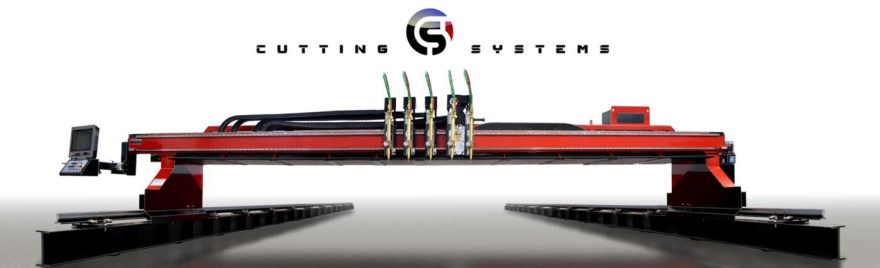
- Oxy-Fuel Torches: One oxy-fuel cutting machine can be equipped with multiple torches to produce multiple parts and reduce both time and labor. Oxy-fuel torches aren’t dependent on primary power, but you will need to purchase gas regularly.
- CNC Control Software: Some oxy-fuel machines come equipped with an integrated CNC controller. CNC controllers allow for automated oxyfuel cutting, which enhances precision and consistency.
Capabilities vary from machine to machine. While one oxy-fuel cutting system may only support up to four fuel torches, others may accommodate as many as 12. Some systems may include automatic ignition, spark shields, and adjustable torch spacing.
Choosing the Right Fuel Gas
Not all fuel gases are created equal. The type of gas used in your oxy-fuel torch can impact pierce time, edge quality, and cutting speed.
Acetylene
Acetylene produces the highest flame temperatures of all the fuel gas options. The hotter the flame, the more rapidly your oxy-fuel gas machine will pierce your metal. Acetylene also produces a higher flame speed and higher calorific value of the primary flame compared to other gases like propane. This allows you to produce a more intense flame, which makes for more precise cutting.
Propane
Compared to acetylene, which can produce flame temperatures up to 5,720 degrees Fahrenheit, propane creates a lower flame temp (about 5,122 degrees Fahrenheit). Because of this, piercing will be much slower with a propane fuel gas, but cutting speeds are about the same as with acetylene.
MAPP
MAPP (methylacetylene-propadiene) is a mixture of hydrocarbons, methylacetylene, and propadiene. It heats to high temperatures effectively and offers an evenly distributed heat source, but it’s not as accessible as fuel sources like propane and acetylene. MAPP gas can be used for underwater cutting due to its high pressure tolerances, setting it apart from many other fuel gases.
Natural Gas
Of all the fuel gases used in oxy-fuel machines, natural gas has the lowest flame temperature and lowest total heat value, making for extremely slow piercing speeds. It’s usually the cheapest and most widely available gas option.
What Is Oxy-Fuel Cutting Used For?
Oxy-fuel cutting is ideal for working with ferrous materials. Its main advantage lies in its ability to cut thick steel quickly and precisely, making it a better choice for steel fabrication than laser or plasma cutting in many situations.
Common Oxy-Fuel Cutting Applications
Oxy-fuel cutting is extremely cost-effective and versatile. Some applications include:
- Thick plate cutting
- Manual rough severing
- Strip cutting
- Bevel cutting
- Metalizing
- Cutting and bending
- Flame hardening
Oxy-Fuel Cutting vs. Other Cutting Methods
Plasma cutting is often compared to laser and oxy-fuel cutting. Each method has strengths, but plasma offers a unique balance of speed, cost, and flexibility. Many Cutting Systems machines offer both plasma cutting and oxy-fuel cutting capabilities.
Oxy-Fuel Cutting vs. Plasma Cutting
While plasma delivers faster cuts and cleaner edges on most materials, oxy-fuel is the most effective thermal cutting technique for extremely thick carbon steel.
Oxy-Fuel Cutting vs. Laser Cutting
Laser cutting machines are ideal for ultra-thin materials and fine detail work, whereas oxy-fuel methods are most efficient for thick steel. The overall cost for oxy-fuel cutting is much lower, while laser cutting has high upfront costs.
FAQs About Oxy-Fuel Cutting
How does oxy-fuel cutting compare to laser cutting in terms of cost and efficiency?
Plasma cutting is highly efficient at cutting a wide range of metals and nonmetals, whereas oxy-fuel cutting is limited to thick carbon steel. However, the upfront costs of oxy-fuel cutting are much lower than that of plasma cutting. And with multiple fuel torch capabilities, oxy-fuel cutting systems can perform multiple functions simultaneously.
Can oxy-fuel cutting be used for precise applications?
Oxy-fuel offers high-precision cutting for thick, ferrous metals like carbon steel. Oxy-fuel machines can create straight-edge cuts, and they can handle bevel strip cutting. Where they fall short is precision cutting thinner materials or stainless steel.
What innovations are enhancing oxy-fuel cutting technology?
Many cutting systems now offer both plasma and oxyfuel cutting capabilities in one system, minimizing your need to choose or purchase multiple machines. Many oxy-fuel machines also offer advanced features like automatic ignition and adjustable torch spacing.