
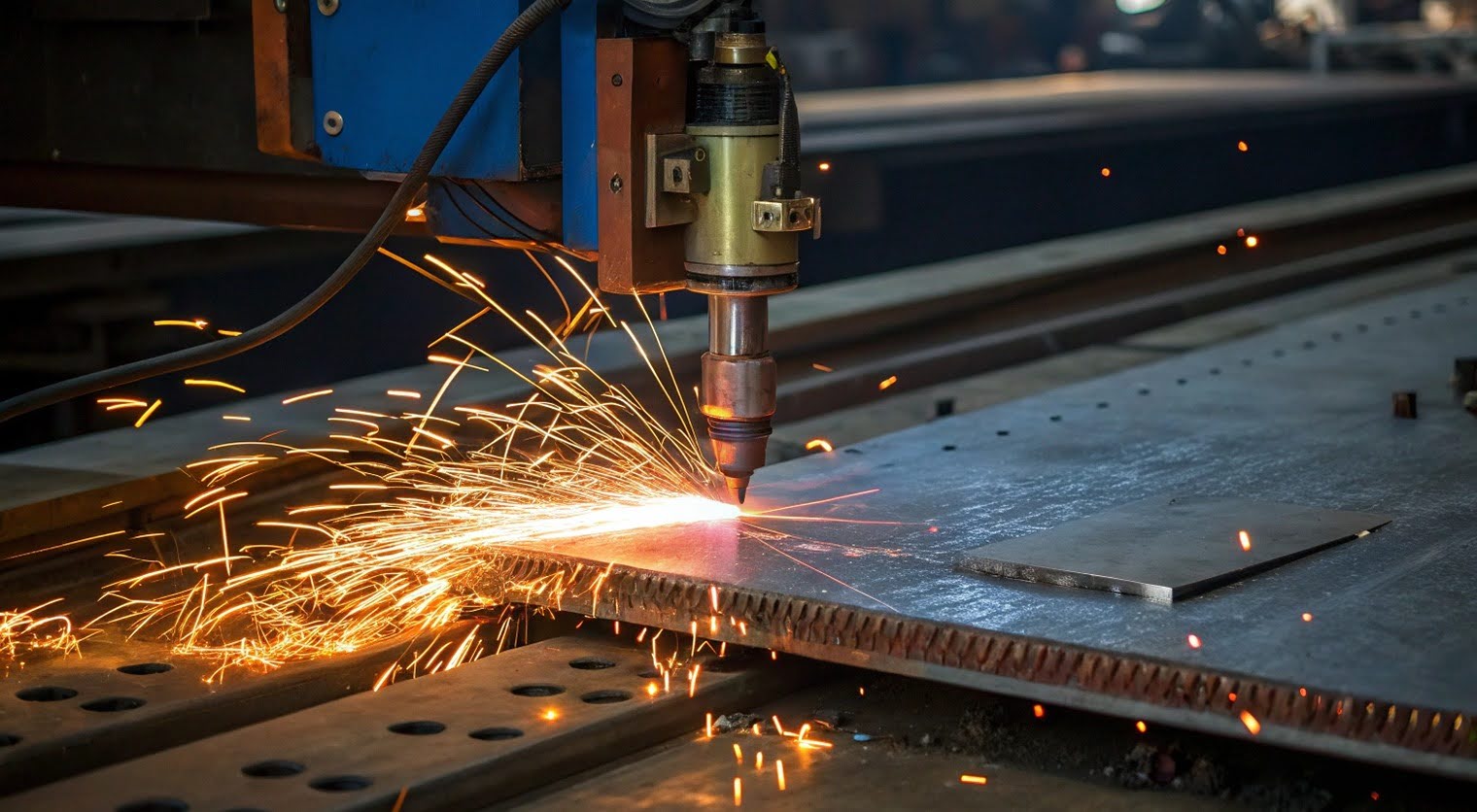
The CNC machine cost that shows up on a quote rarely reflects what you actually spend over the life of the equipment. A fabricator who chooses a system on sticker price alone often discovers the real bill later, when consumables, downtime, undersized power supplies, and slow throughput erode the margin on every part produced. The smarter approach treats the purchase as a total-cost-of-ownership calculation: what the machine costs to buy, what it costs to run, and what it earns back through productivity. This guide breaks down the cost drivers behind industrial CNC plasma, oxyfuel, and fiber laser systems so you can match equipment to your budget and your production goals.
What Drives CNC Machine Cost
There is no single answer to how much a CNC machine costs, because the price scales with capability. A small hobby unit can run a few thousand dollars, while a large industrial system will reach several hundred thousand. The variables that drive CNC machine costs are consistent across cutting technologies.
Table Size and Motion Platform
Cutting width, rail length, and the rigidity of the gantry are the foundation of a CNC machine’s price. A 6-foot table is a fraction of the cost of a 30-foot-wide bridge spanning a 250-foot rail. The motion system underneath matters just as much as the footprint. Heavy-duty welded steel frames, precision-machined gantry beams, AC servo motors, and low-backlash planetary gearboxes cost more than light-duty alternatives, but they maintain accuracy at high speeds and resist wear over years of production.
Power Source and Consumables
The cutting source is a major line item and a recurring expense. A high-definition Hypertherm plasma power supply rated at 200 to 800 amps carries a higher upfront price than an air plasma system, and a fiber laser resonator is another larger capital commitment. The plasma cutter investment does not end at purchase, because electrodes, nozzles, swirl rings, and shield caps are consumed continuously. Fiber laser pricing follows a different curve, with lower consumable draw but higher resonator and assist-gas considerations. When you compare systems, weigh consumable cost per part, not just the box price.
Automation and Material Handling
Features that reduce operator labor raise the purchase price and lower the cost per finished part. Double-fast exchange tables let an operator load fresh material while the machine keeps cutting, and automated material handling, such as the iLoader and iTrans Tower, streamlines loading, minimizes downtime, and cuts manual labor. Multi-torch oxyfuel configurations, automatic ignition, and automatic torch spacing carry the same trade-off: more capital, more output.
Software
CAD/CAM nesting is bundled into a complete system but represents real value. Hypertherm ProNest nesting software optimizes cutting paths and reduces material waste, which directly affects the cost of every sheet you process. Software that improves yield pays back continuously throughout the machine’s life.
Installation, Training, and Facility Requirements
Budget beyond the machine itself for rigging, assembly, calibration, and operator training. Industrial cutting also imposes facility demands: adequate electrical service, compressed air or assist gas, and fume management through water tables, downdraft tables, or optional fume extractors. These costs are easy to overlook and expensive to retrofit later.
Maintenance
Preventative maintenance protects the investment and keeps cut quality consistent. Features like automatic nozzle changers with integrated lens cleaning reduce manual maintenance on fiber systems, while scheduled service on motion components prevents failures that idle a production line.
Matching the Machine to the Work
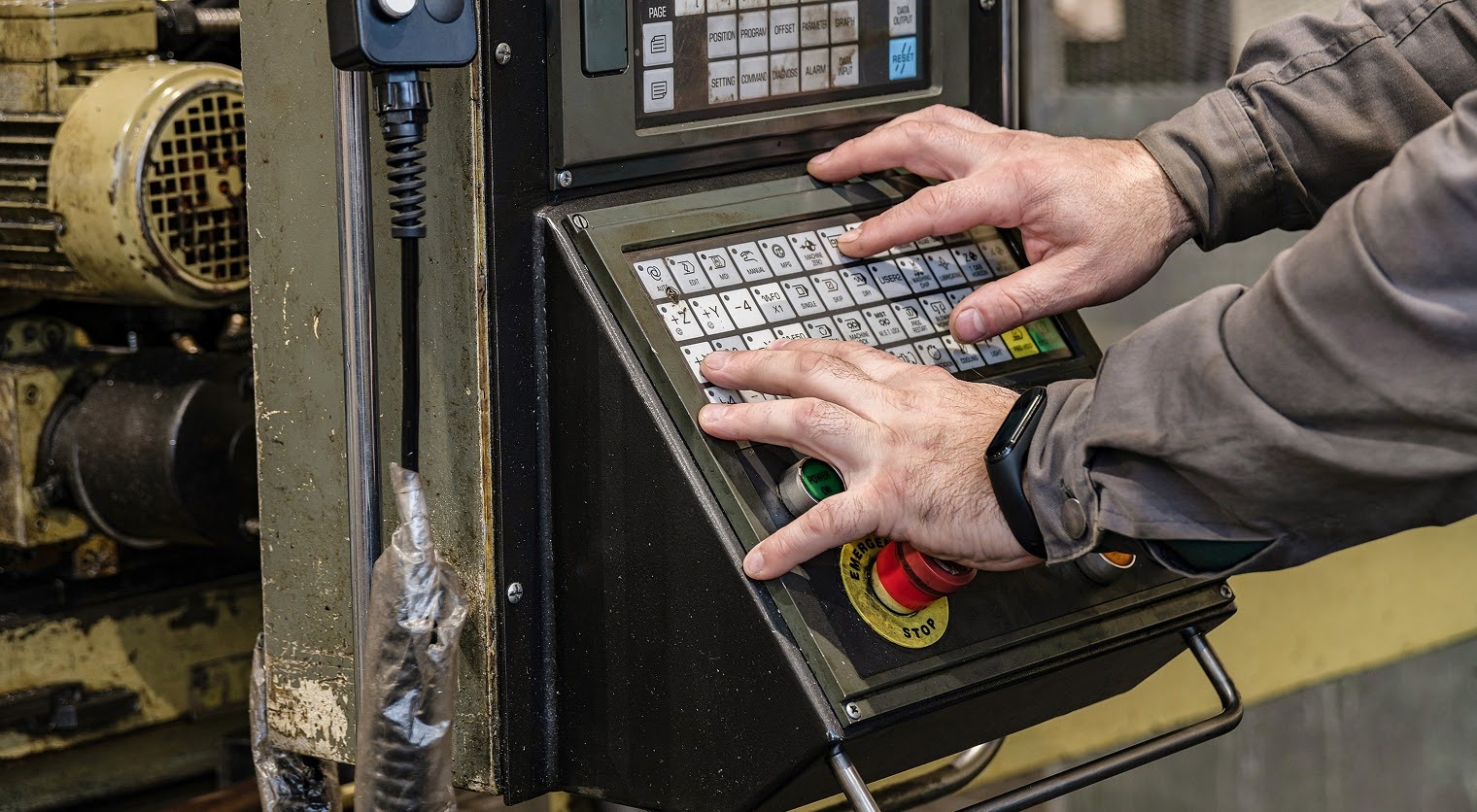
The right purchase depends on what you cut, how thick, and at what volume. Cutting Systems builds a lineup organized around exactly those questions, so the comparison becomes practical rather than abstract.
For heavy plate and thick-section fabrication, plasma and oxyfuel cutting machines cover the broadest range. The Kodiak combines high-definition plasma up to 6.25 inches with oxyfuel cutting up to 24 inches on a single platform, the Cobra adds bevel capability for weld-ready parts without secondary processing, and the unitized Shark serves light-to-medium shops with high-definition and air plasma options at a lower entry point. Each model uses the Hypertherm EDGE Connect CNC controller and Yaskawa drive system, so the difference in CNC machine cost across the range tracks capacity and configuration rather than control quality.
For high-speed precision on thinner material, fiber laser cutting machines deliver tighter tolerances and faster cycle times on plate and tube. Fully enclosed laser heads, automatic focal adjustment, and contour recognition in under a second change the productivity math, which is why fiber laser pricing should be evaluated against throughput rather than purchase price alone.
When a standard table does not fit the application, custom-engineered solutions let you specify extra-wide bridges, nonstandard footprints, or multi-process gantries that combine fiber laser, high-definition plasma, and oxyfuel on one machine. Tailoring the system to your floor plan and workpiece geometry often produces a lower total cost than forcing a stock configuration to do work it was not built for.
A lower upfront figure is also available through remanufactured machines and CNC retrofits, which restore or modernize existing frames with new controllers, drives, motors, and torches at a fraction of new-machine cost. For shops weighing a tight budget against capability, this is frequently the path that fits.
How To Compare Machines Realistically
Build the comparison around the total cost of ownership. Add the purchase price to projected operating costs over a realistic ownership window: consumables, energy, assist gas, maintenance, and labor. Then weigh that figure against output, the work you actually plan to run, and the productivity gains automation provides. A faster, better-equipped machine often costs more upfront and less per part, and over a few years, the higher-capability system can be the cheaper one to own.
Factor in the value of support, because downtime is one of the largest hidden costs in any cutting operation. Cutting Systems includes free unlimited phone and email technical support, ships in-stock parts the same day on orders placed by 3 p.m., and supports a wide range of competitor brands, including Koike, ESAB, MG Messer, Hornet, AKS, Torchmate, and others. A machine that stays running earns back its price; one that sits waiting on parts or answers does not.
When you are ready to put real numbers against your application, request a quote or call the Cutting Systems team at 216-928-0500.
Frequently Asked Questions
Do you sell used or remanufactured CNC cutting machines as a lower-cost alternative to buying new?
Yes. Cutting Systems offers remanufactured machines and pre-owned inventory as cost-effective alternatives to new equipment. We rebuild each remanufactured unit with all-new components, including the CNC controller, servo drive system, plasma and oxyfuel systems, AC servo motors, and low-backlash planetary gearboxes, and ship it with a new machine warranty. Pre-owned options such as Kodiak, LTEC, and ESAB plasma/oxy machines provide additional value for shops seeking quality without the full new-machine investment.
What support is included after purchase, and should I budget extra for help troubleshooting?
Free, unlimited phone and email technical support is included. The Cutting Systems technical team helps you troubleshoot, maintain, and get guidance to keep operations running, and in-stock parts ship the same day on orders placed by 3 p.m. Support also extends across many competitor brands, so you do not need to budget extra for routine troubleshooting on a Cutting Systems machine. Reach the team at 216-928-0500.
Do you provide custom-built CNC cutting systems?
Yes. Cutting Systems designs and manufactures fully customized industrial CNC machines, including extra-wide bridges, nonstandard facility footprints, and multi-process gantries that combine fiber laser, high-definition plasma, and oxyfuel on a single platform. Custom machines come with Hypertherm PC-based CNC controls, Yaskawa drive systems with EtherCAT, AC servo motors, and low-backlash planetary gearboxes, and they include on-site assembly, calibration, and operator training.
How to Choose the Best CNC Plasma Table Size for Your Shop
Choosing the Right CNC Plasma Table Size Best CNC Plasma Tables for Beginners Design a Custom CNC Plasma Table Frequently […]
What Is Plasma Cutting? A Complete Guide to CNC Plasma Cutting Machines
What Is Plasma Cutting? What Is CNC Plasma Cutting? Advantages of CNC Plasma Cutting Key Components of CNC Plasma Cutting […]

How To Choose a Plasma Cutter
Choosing a plasma cutter for your machine shop is a critical part of managing your CNC workflow. With new technologies […]